
The Senegalese Constitutional Council’s repeated rulings against the Pastef party are igniting fierce debate across the nation. Political analysts warn of deepening divisions as the opposition scrambles to respond to what many view as systematic obstruction.
From institutional clashes to public backlash
The council’s latest decisions have pushed Pastef’s leadership into uncharted territory. With party figures facing legal challenges and electoral setbacks, the question now is whether Senegal’s democratic institutions can withstand the mounting pressure. Public reaction has been swift—protests have erupted in major cities, with young activists accusing the council of overstepping its mandate.
Legal precedents and political narratives
Since its formation, the council has become a lightning rod for controversy. Critics argue that its interpretations of electoral laws disproportionately target opposition figures, particularly those associated with Pastef. Supporters, however, defend the council’s actions as necessary to uphold constitutional integrity. The divide reflects broader tensions between institutional authority and political ambition in Senegal.
Key decisions under scrutiny include:
- Candidate eligibility disputes: Multiple Pastef-backed candidates have been barred from running in local and national elections, citing technicalities in their paperwork.
- Party registration challenges: Efforts to dissolve the party or freeze its assets have fueled accusations of politically motivated interference.
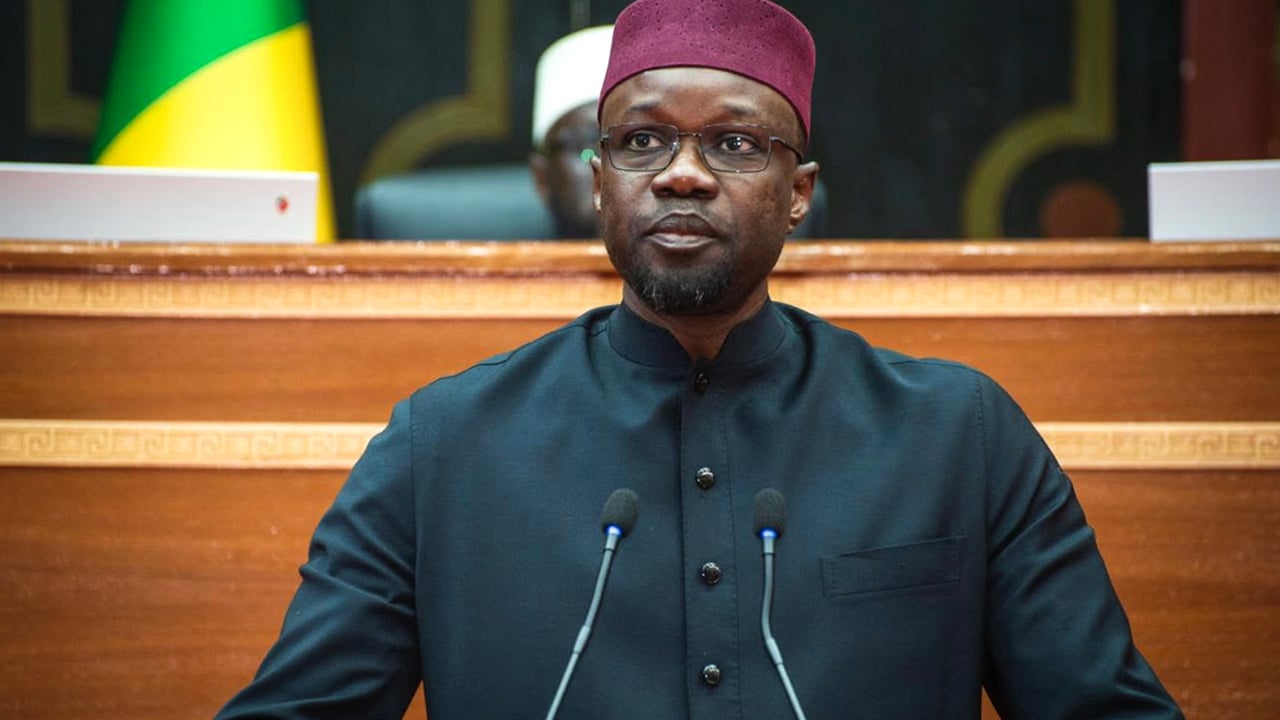
- Recent ruling on Sonko’s status: The council’s decision to invalidate his eligibility for upcoming polls has intensified the standoff between the party and state institutions.
What’s next for Senegal’s opposition?
Pastef’s response to these setbacks could redefine its strategy. Some factions advocate for legal appeals, while others call for mass mobilization to pressure the council and government. The party’s ability to unite its base and build broader alliances will be critical in the coming months.
International reactions and regional implications
Senegal’s crisis has drawn attention beyond its borders. Regional blocs and international observers are closely monitoring developments, with concerns growing over potential spillover effects in neighboring countries. The council’s decisions may set a precedent for how electoral disputes are handled in West Africa.
Public trust in institutions at stake
The council’s controversies have not gone unnoticed by Senegalese citizens. Polls indicate declining trust in judicial and electoral bodies, with many questioning the impartiality of the council’s rulings. This erosion of faith could have long-term consequences for political stability and governance in the country.
Voices from the streets: citizen perspectives
Grassroots movements have become a driving force in the debate. Protesters demand transparency and reform, arguing that the council’s actions are eroding democratic norms. Their slogans—ranging from calls for “justice” to outright rejection of the council’s authority—highlight the deep frustration among Senegalese youth and opposition supporters.
Analysts weigh in: institutional overreach or necessary safeguard?
Political analysts are divided on the council’s role. Some see it as a vital check against political opportunism, while others view it as a tool wielded by entrenched elites to stifle competition. The coming weeks will reveal whether the council can navigate these perceptions or whether its decisions will further polarize an already fractured political landscape.
For Pastef, the path forward is fraught with challenges. The party must balance legal battles with grassroots mobilization, all while navigating a legal system that has repeatedly ruled against its interests. The stakes could not be higher: the future of Senegal’s opposition—and its democratic future—hangs in the balance.